
 Posted by
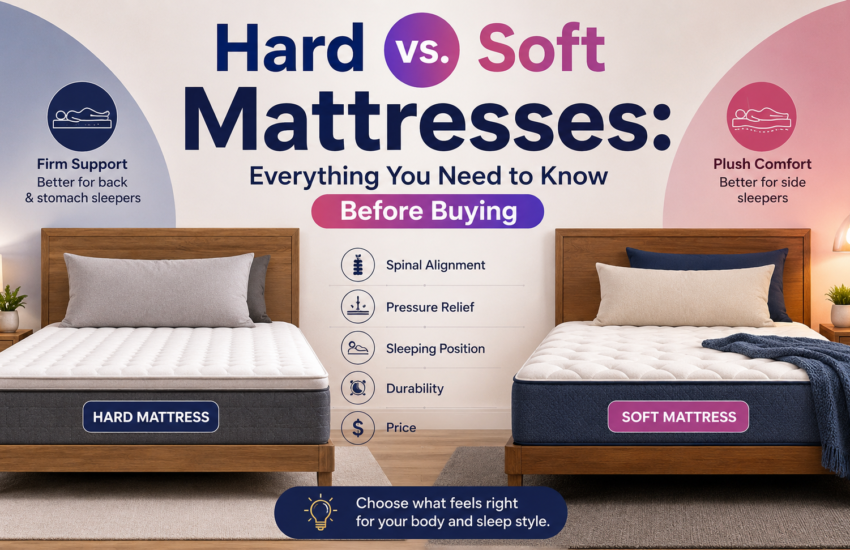
 Getting quality sleep isn’t just about going to bed earlier—it’s about sleeping on a mattress that properly supports your body. The right mattress firmness can help reduce aches, improve spinal alignment, and leave you feeling refreshed each morning. On the other hand, choosing the wrong firmness may lead to restless nights, pressure points, and ongoing discomfort.
So, should you choose a hard mattress or a soft one?
The answer depends on several factors, including your sleeping position, body weight, and personal comfort preferences. At Nura Sleep, we believe that the best mattress is one that delivers the ideal balance of comfort, pressure relief, and support for your individual needs. Our mattresses are designed with orthopaedic support, pressure-relieving foam, and breathable materials to help you enjoy healthier, more restorative sleep.
In this guide, we’ll explain the differences between hard and soft mattresses and help you decide which firmness is right for you.
What Is Mattress Firmness?
Mattress firmness describes how soft or firm a mattress feels when you lie down. It isn’t the same as support—a mattress can feel soft while still keeping your spine properly aligned if it’s built with high-quality materials.
Most mattresses fall somewhere on a firmness scale from 1 to 10:
| Firmness Rating | Feel |
|---|---|
| 1–2 | Ultra Soft |
| 3–4 | Soft |
| 5–6 | Medium |
| 6–7 | Medium Firm |
| 8–10 | Firm to Extra Firm |
The ideal firmness varies from person to person, which is why understanding your sleep habits is so important.
Benefits of a Firm Mattress
Firm mattresses are designed to provide a stable sleeping surface with minimal sinkage.
Better Spinal Alignment
A firmer mattress helps maintain the natural position of your spine by preventing your hips and lower back from sinking too deeply.
This makes firm mattresses particularly suitable for back and stomach sleepers.
Excellent Support for Heavier Sleepers
People with a higher body weight often need stronger support to prevent excessive compression of the mattress.
A firmer sleeping surface distributes body weight more evenly and helps reduce strain on pressure points.
Improved Durability
Firm mattresses generally maintain their shape for longer because denser support layers resist sagging and body impressions.
Easier Movement
Since you don’t sink as deeply into a firm mattress, changing sleeping positions throughout the night becomes easier.

Potential Drawbacks of a Firm Mattress
Although firm mattresses provide excellent support, they may not suit everyone.
Some sleepers may experience:
- Increased pressure around the shoulders and hips
- Less cushioning for joints
- A short adjustment period when switching from a softer mattress
This is especially common for lightweight individuals and dedicated side sleepers.
Benefits of a Soft Mattress
Soft mattresses allow your body to sink further into the comfort layers, creating a more cushioned sleeping experience.
Outstanding Pressure Relief
Soft mattresses gently contour around the body’s natural curves, helping reduce pressure on areas such as:
- Shoulders
- Hips
- Knees
This makes them particularly comfortable for side sleepers.
Comfortable Body Contouring
Many people enjoy the feeling of a mattress that adapts closely to their body, creating a “cradled” sensation.
Better for Lightweight Sleepers
Lighter individuals often don’t compress firmer mattresses enough to benefit from their comfort layers.
A softer mattress provides better contouring and comfort.
Reduced Joint Pressure
People with arthritis or sensitive joints may find that softer mattresses relieve discomfort by reducing concentrated pressure.
Potential Drawbacks of a Soft Mattress
While plush comfort is appealing, mattresses that are too soft can create problems for some sleepers.
Possible disadvantages include:
- Reduced spinal support
- Excessive sinking around the hips
- Increased heat retention
- Faster wear if lower-quality materials are used
The key is finding a mattress that offers softness without sacrificing support.
Which Mattress Is Best for Your Sleeping Position?
Your sleeping position has one of the biggest influences on the ideal mattress firmness.
Side Sleepers
Recommended firmness:
- Soft
- Medium-soft
- Medium
These provide enough cushioning to reduce pressure on the shoulders and hips while keeping the spine aligned.
Back Sleepers
Recommended firmness:
- Medium
- Medium-firm
These mattresses support the lower back while still allowing gentle contouring for comfort.
Stomach Sleepers
Recommended firmness:
- Firm
A firmer mattress prevents the hips from sinking too deeply, helping maintain a healthier spinal position.
Combination Sleepers
If you regularly change sleeping positions throughout the night, a medium-firm mattress often provides the best overall balance.
Choosing the Right Firmness Based on Body Weight
Your body weight affects how deeply you sink into a mattress.
Under 60kg
Soft to medium mattresses usually provide the most comfortable pressure relief.
60kg–100kg
Medium or medium-firm mattresses generally offer the ideal combination of comfort and support.
Above 100kg
Medium-firm to firm mattresses help maintain proper spinal alignment while preventing excessive sinkage.
Mattress Firmness and Back Pain
Many people assume that a harder mattress automatically solves back pain. In reality, research suggests that medium-firm mattresses often provide the best balance between comfort and spinal support, making them suitable for many people with lower back discomfort.
The right mattress should support your spine without creating uncomfortable pressure points.
Nura Sleep mattresses are engineered with high-resilience orthopaedic foam and pressure-relieving comfort layers, helping to promote better spinal alignment while reducing pressure across key areas of the body.
The Importance of Mattress Materials
Firmness isn’t determined by feel alone—it also depends on the materials inside the mattress.
Quality materials can significantly improve comfort and durability.
For example:
- Memory foam contours to your body and relieves pressure.
- High-density orthopaedic foam provides long-lasting support.
- Breathable fabrics help regulate temperature for cooler sleep.
Nura Sleep combines advanced memory foam with ultra-dense orthopaedic support foam and breathable cover fabrics to create a mattress that balances comfort, support, and temperature regulation.
How to Choose the Right Mattress
Before buying a new mattress, consider the following:
Think About Your Sleeping Position
Your preferred sleeping position should be one of the biggest factors when choosing firmness.
Consider Any Pain or Discomfort
If you regularly wake with back, shoulder, or hip pain, your current mattress may not be providing the right level of support.
Look for a Sleep Trial
A mattress often takes several weeks to fully adjust to your body.
Nura Sleep offers a 100-night sleep trial, allowing you to experience your mattress at home before making your final decision.
Check the Warranty
A quality mattress is a long-term investment.
Nura Sleep mattresses include a 10-year warranty, giving you confidence in their durability and craftsmanship.